How the FIFA World Cup 2026 Could Transform Crypto Adoption in Football
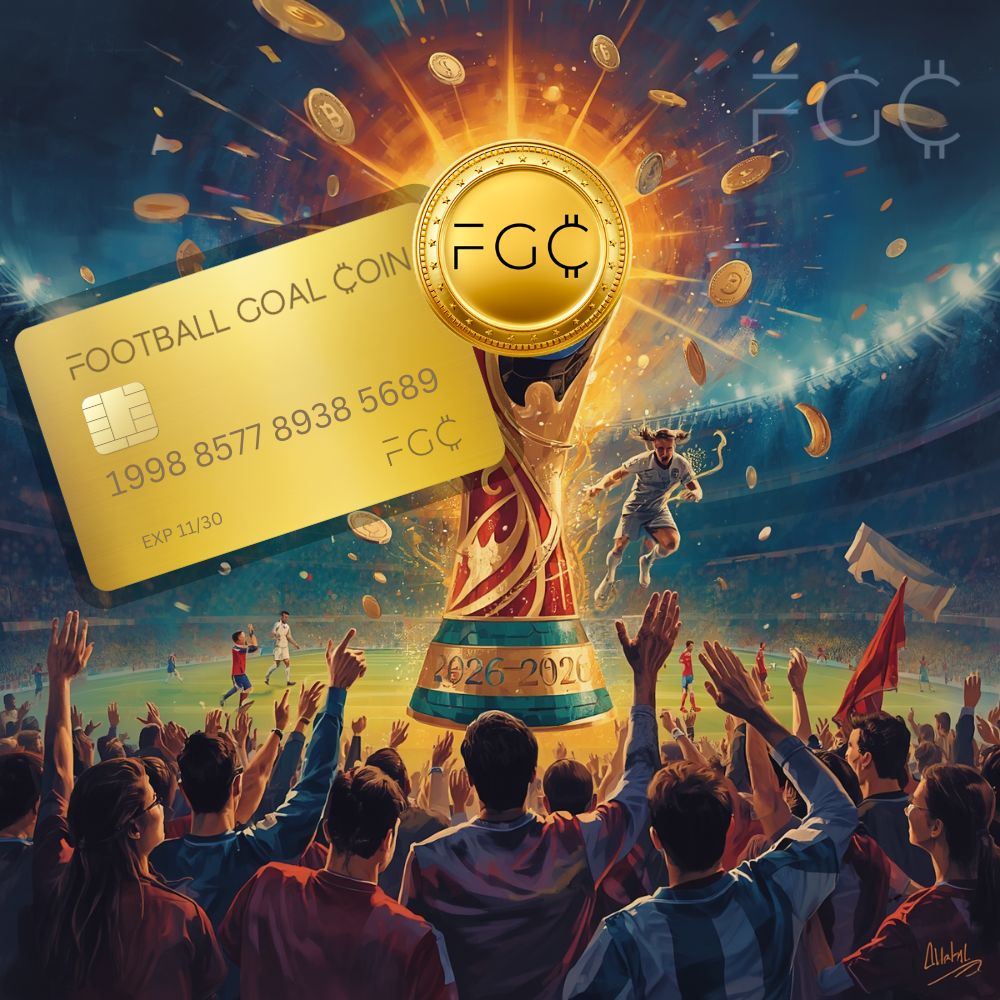
The FIFA World Cup has always been more than just a football tournament. It is one of the biggest global sporting events, bringing together teams, supporters, media attention, and unforgettable football moments on a worldwide stage.
The FIFA World Cup 2026 is especially significant because of its expanded scale, with more teams, more matches, and more professional football goals expected across the tournament. This creates a powerful opportunity to discuss how football moments can connect with blockchain technology.
For Football Goal Coin, the focus is clear: FGC mining, the FGC Blockchain, and blockchain-based coin issuance connected to professional football goals.
Why the World Cup Matters for Blockchain
The World Cup creates a level of global attention that very few events can match. Supporters from across the world follow matches, goals, results, statistics, and major moments in real time.
This makes the tournament a useful example of how football activity can be connected to digital systems, blockchain records, and goal-based models.
Blockchain technology can support:
- Transparent recording of activity
- Verifiable digital records
- Structured blockchain-based issuance
- Fast transaction recording
- Clear visibility of network activity
For Football Goal Coin, this is not about replacing football. It is about connecting professional football goals to a dedicated blockchain mining model.
How Goal Mining Fits Major Football Events
During a tournament such as the World Cup, every goal becomes a major football moment. Football Goal Coin is built around the idea that professional football goals can be connected to blockchain-based coin issuance.
Through FGC mining, professional football goals are linked to the issuance of new FGC cryptocurrency on the FGC Blockchain.
This creates a clear connection between:
- Professional football goals
- Goal mining activity
- Blockchain-based coin issuance
- FGC Blockchain recording
- Football-focused blockchain technology
The result is a unique goal-focused mining model built around football activity rather than traditional cryptocurrency mining based only on computer power and complex calculations.
The Role of the FGC Blockchain
The FGC Blockchain is the dedicated network designed to record, verify, and support the movement and issuance of Football Goal Coin.
It provides the technical foundation for FGC mining and helps ensure that blockchain activity can be recorded in a secure, transparent, and organised way.
For goal mining to work properly, the blockchain must support reliable recording, verification, and network performance. This is why the FGC Blockchain is central to the Football Goal Coin model.
Football Goals as Global Moments
Football goals are among the most powerful moments in sport. They can change matches, tournaments, careers, and history.
Football Goal Coin uses this idea as the foundation of its mining model. Instead of treating football as a theme only, the project connects professional football goals to the issuance of new FGC through the FGC Blockchain.
This gives Football Goal Coin a specific focus within the football and blockchain space.
Why 2026 Is Important
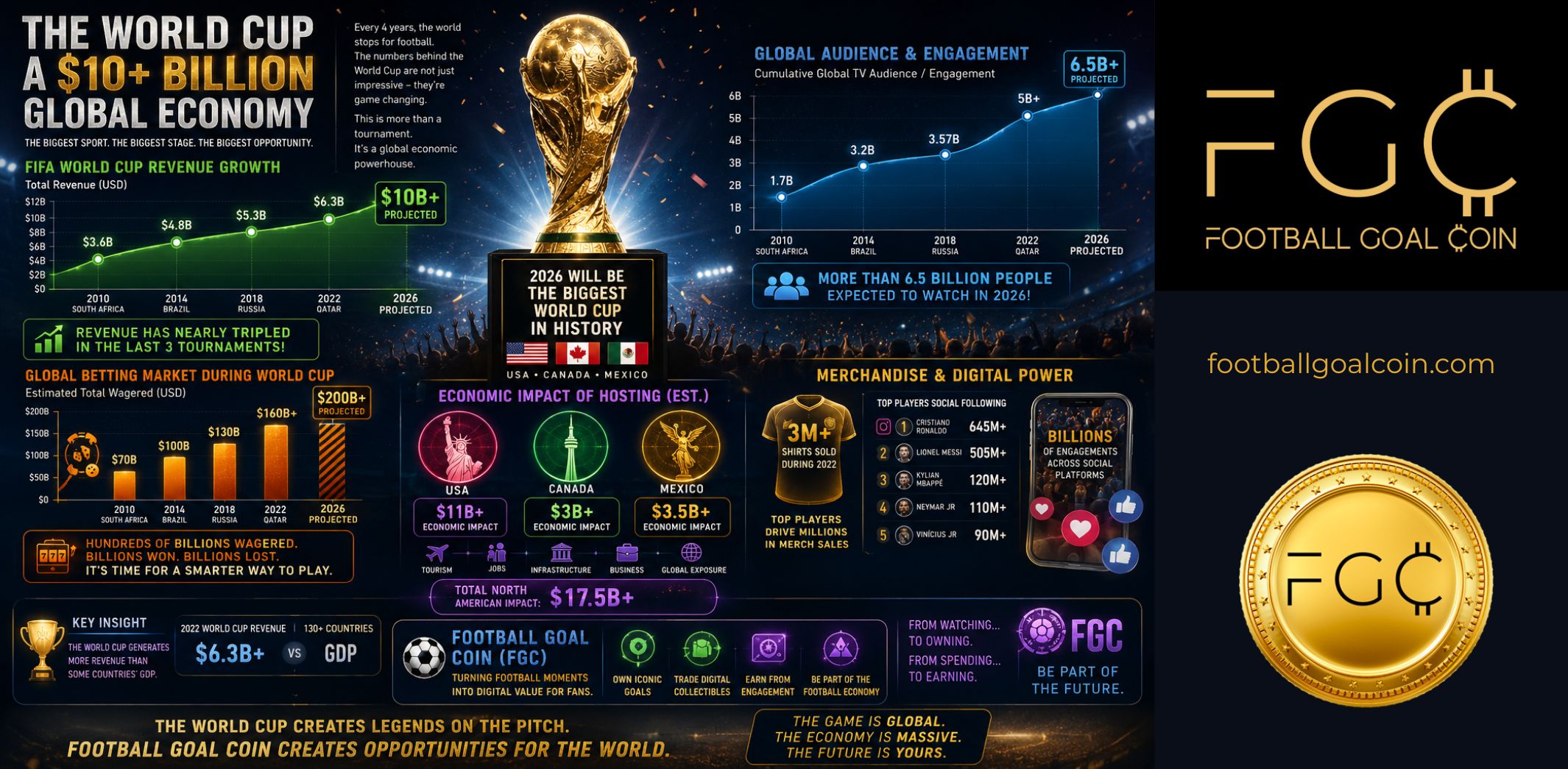
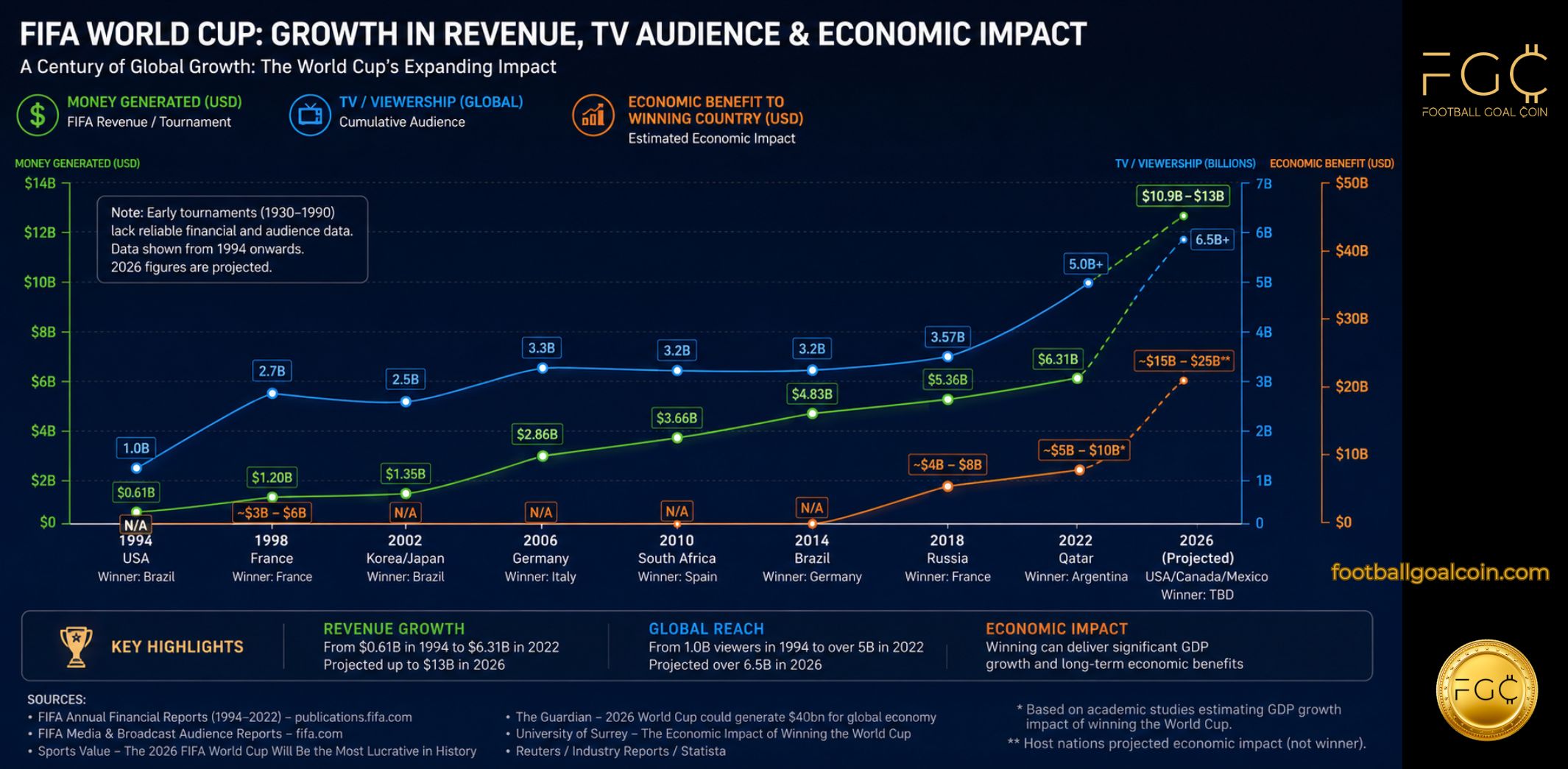
The FIFA World Cup 2026 is expected to generate major global attention because of its expanded format and worldwide audience. More matches also means more professional football activity and more opportunities to discuss the connection between football events and blockchain technology.
For Football Goal Coin, the relevance is simple: major football events highlight the importance of goals, and goals are central to the FGC mining model.
Football Goal Coin’s Focus
Football Goal Coin is focused on:
- FGC mining
- The FGC Blockchain
- Professional football goals
- Blockchain-based coin issuance
- Transparent blockchain recording
- Fast and efficient blockchain performance
As the Football Goal Coin ecosystem develops, this website remains focused on the blockchain and mining side of the project. Other services, tools, websites, or resources may be operated separately where appropriate.
Final Thoughts
The FIFA World Cup 2026 represents a major moment for world football. It brings together global attention, professional goals, football data, and unforgettable sporting moments.
Football Goal Coin connects this type of football activity to blockchain technology through FGC mining and the FGC Blockchain.
The focus is clear: professional football goals connected to blockchain-based coin issuance through a dedicated football-focused blockchain network.
Football Goal Coin is independent and is not affiliated with, endorsed by, or officially connected to FIFA or the FIFA World Cup.