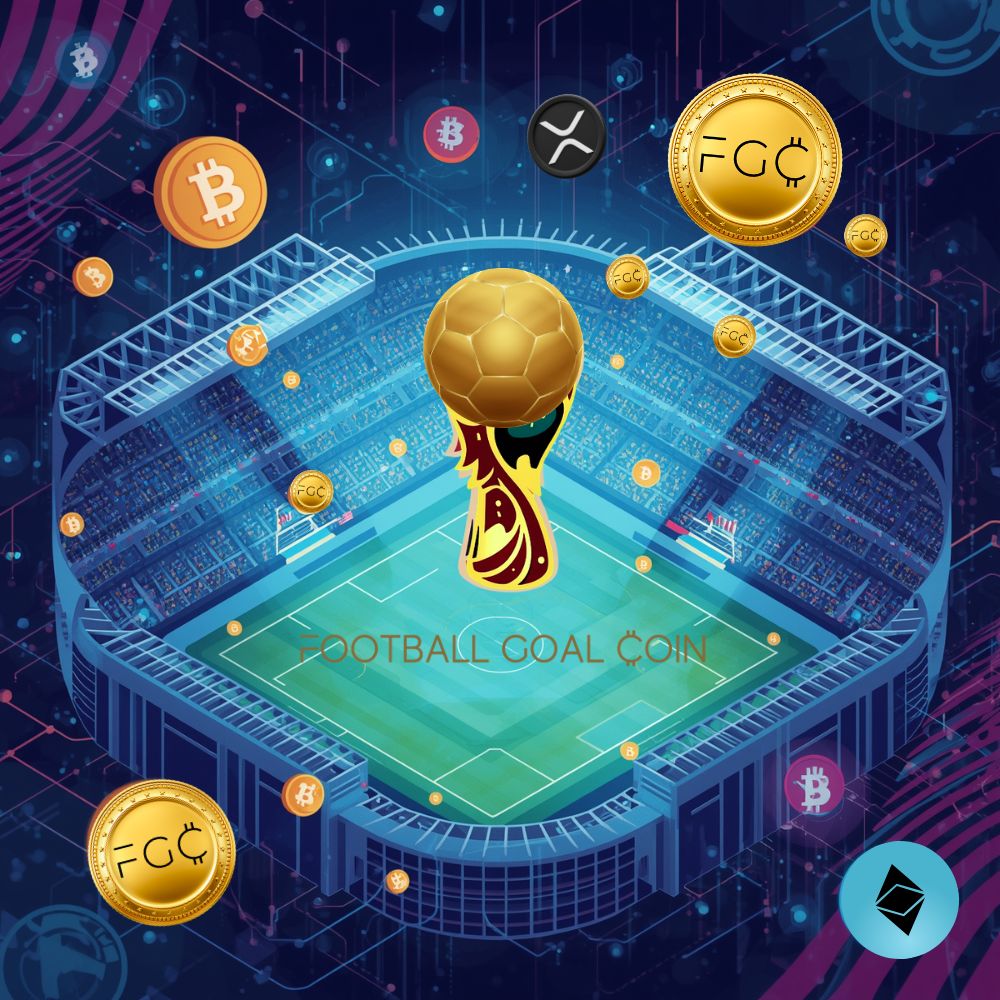
Which World Cup Goals Are Most Mineable?

During the FIFA World Cup, every goal matters.
Some goals decide matches. Some change tournaments. Some become historic football moments remembered for generations.
For Football Goal Coin, the importance of goals is central because professional football goals are connected to blockchain-based coin issuance through the FGC mining model.
However, it is important to be clear from the start: Football Goal Coin does not treat one professional goal as financially worth more than another within the FGC mining system. The purpose of this article is to look at which World Cup goals may carry greater football significance, attention, and historical interest.
Why Some Goals Attract More Attention
In football, all goals count on the scoreboard, but not all goals are remembered in the same way.
Some goals attract greater attention because of:
- The importance of the match
- The stage of the tournament
- The player who scored
- The team involved
- The timing of the goal
- The emotional or historical significance of the moment
These factors can make certain goals stand out in football history, even though the FGC mining model itself treats professional goals according to its own defined issuance process.
Goals in High-Stakes Matches
World Cup goals scored in high-stakes matches often attract the greatest attention.
This may include goals scored in:
- Knockout matches
- Quarter-finals
- Semi-finals
- Third-place matches
- The World Cup Final
A goal scored in a final or a decisive knockout match may become more memorable because of what is at stake. These goals can change the outcome of a tournament and become part of football history.
Last-Minute and Decisive Goals
Timing can make a goal especially significant.
A last-minute winner, an extra-time goal, or a goal that changes qualification or elimination can attract major attention because of its impact on the match.
These goals are often replayed, discussed, and remembered long after the final whistle.
Goals Scored by High-Profile Players
Goals scored by globally recognised players can also attract more attention.
When a major player scores on the World Cup stage, the moment can be amplified by media coverage, supporter interest, and global discussion.
This does not mean the FGC Blockchain gives that goal greater intrinsic value. It simply means that football supporters may naturally attach greater historical or emotional significance to the moment.
Goals Scored by Major Football Nations
Some national teams have large global followings and strong World Cup histories.
Goals scored by major football nations often receive wider attention because they are followed by large supporter bases across many countries.
Teams with strong tournament history, major football culture, or large international fan bases can create moments that attract significant global discussion.
Host Nation Goals
The FIFA World Cup 2026 will be hosted across the United States, Canada, and Mexico.
Goals involving host nations may attract additional attention because of local support, media focus, and the importance of the tournament to the host countries.
Host nation goals can become especially memorable when they occur in major matches or create unexpected tournament moments.
Historic or Record-Breaking Goals
Some goals become significant because they are connected to records or historic achievements.
Examples may include:
- A player breaking a scoring record
- A nation scoring its first goal at a World Cup
- A decisive goal in a major upset
- A goal that changes tournament history
- A goal remembered for exceptional skill or importance
These moments can become part of football history and may attract lasting attention from supporters.
How This Connects to Football Goal Coin
Football Goal Coin is built around professional football goals.
Through FGC mining, professional football goals are connected to blockchain-based coin issuance on the FGC Blockchain.
This creates a clear connection between:
- Professional football goals
- FGC mining activity
- Blockchain-based coin issuance
- FGC Blockchain recording
- Football-focused blockchain technology
The FGC Blockchain provides the technical foundation for recording, verifying, and supporting the movement and issuance of Football Goal Coin.
Important Clarification
The FGC mining system does not mathematically, financially, or systemically recognise one individual goal as being worth more than another goal unless this is expressly stated within the technical rules of the mining model.
Nothing in this article should be understood as saying that any FGC coin, NET, goal, player, nation, or match has a guaranteed or greater financial value.
Some supporters may personally attach greater historical, emotional, or football significance to certain goals, matches, players, or tournament moments. That personal interest is separate from the technical purpose of this website.
This website focuses only on the FGC Blockchain, FGC mining, and blockchain-based coin issuance. It does not provide exchange services, wallet custody services, payment services, investment services, financial advice, lending services, borrowing services, betting services, prediction markets, or trading services.
In Summary
The FIFA World Cup will produce many important football moments.
Some goals may become more memorable because of the player, the team, the match, the timing, or the historical importance of the moment.
For Football Goal Coin, the core point is simple: professional football goals are central to the FGC mining model.
The focus is clear: professional football goals connected to blockchain-based coin issuance through FGC mining on the FGC Blockchain.
Football Goal Coin is independent and is not affiliated with, endorsed by, or officially connected to FIFA or the FIFA World Cup.